Services
-
This will include comprehensive evaluation, home exercise program, discussion of next steps, and dry needling, if needed
-
Dr. Hannah has experience with performing workplace optimization and ergonomic assessments with report and recommendations. Reach out for a quote!
Frequently Asked Questions
Still have questions? Take a look at the FAQ or reach out anytime.
-
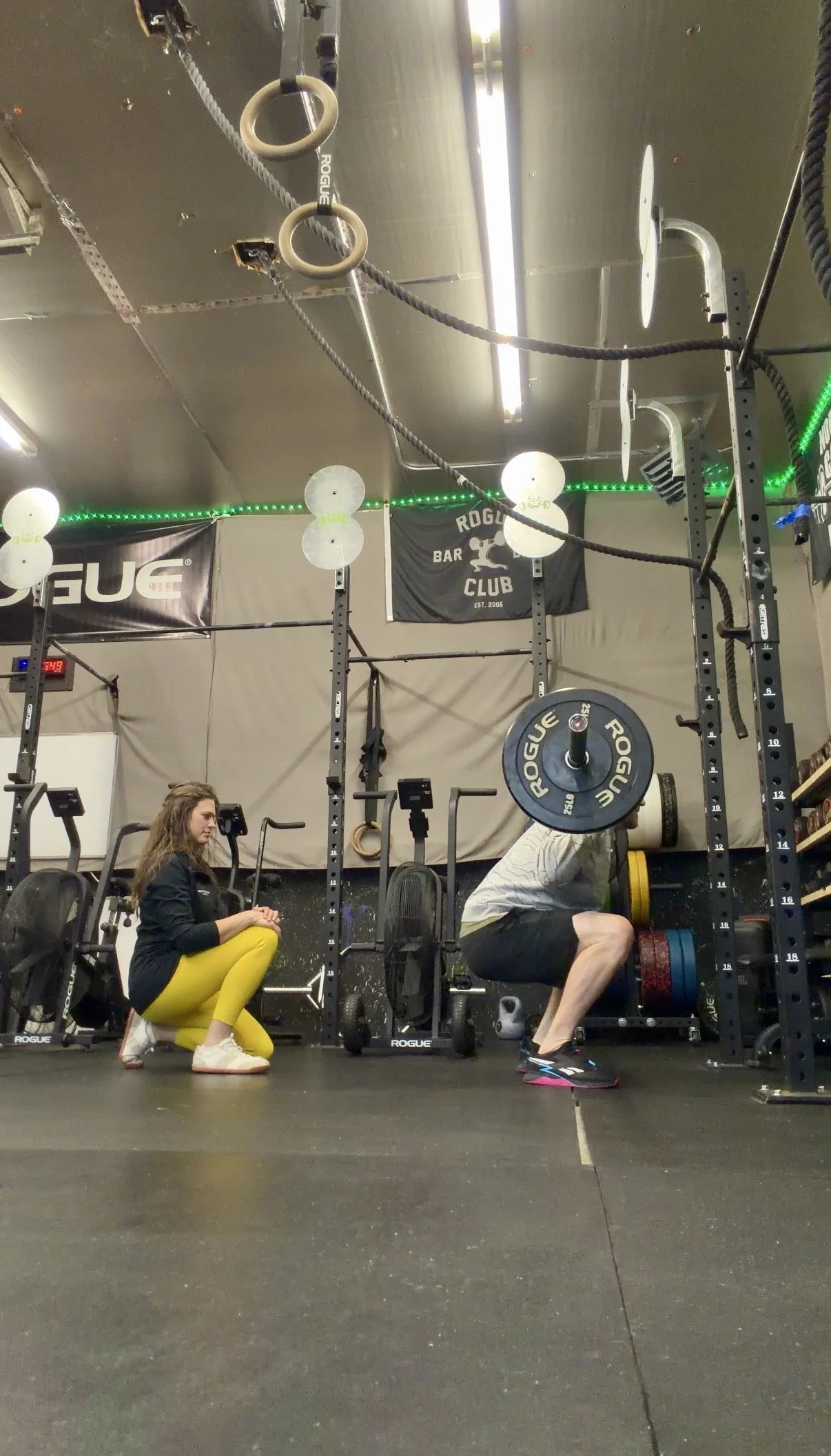
You will come to Milan CrossFit and meet Dr. Hannah (who will be in an Rx-branded outfit). Discussion will take place in a private room in the back. You and Dr. Hannah will discuss your current impairments/limitations, set expectations, and goals!
Evaluation will consist of physical measures to determine the main factor causing your impairment/limitations. Dependent on how long the evaluation takes, Dr. Hannah will proceed to treatment, which may consist of manual intervention, creation of a home exercise program, dry needling (if appropriate), and making a plan. The plan may be an independent plan or to schedule you for more visits to help you progress toward your goals!
Dr. Hannah loves to remain in contact with her patients to ensure success.
-
Please bring the following materials:
An optimistic spirit
Comfortable clothes that are accessible to areas potentially requiring needling (if interested in dry needling)
Medication list
Past medical history
What did and did not work for you previously in physical therapy, if you have attended.
-
Michigan is a direct access state, so for the first 10 visits or 21 days (for the same condition)- no!
-
Rxercise is a cash-based practice. This allows for longer one-on-one sessions and treatment plans tailored specifically to you, rather than being limited by insurance restrictions.
-
This is currently being investigated.
What is dry needling?
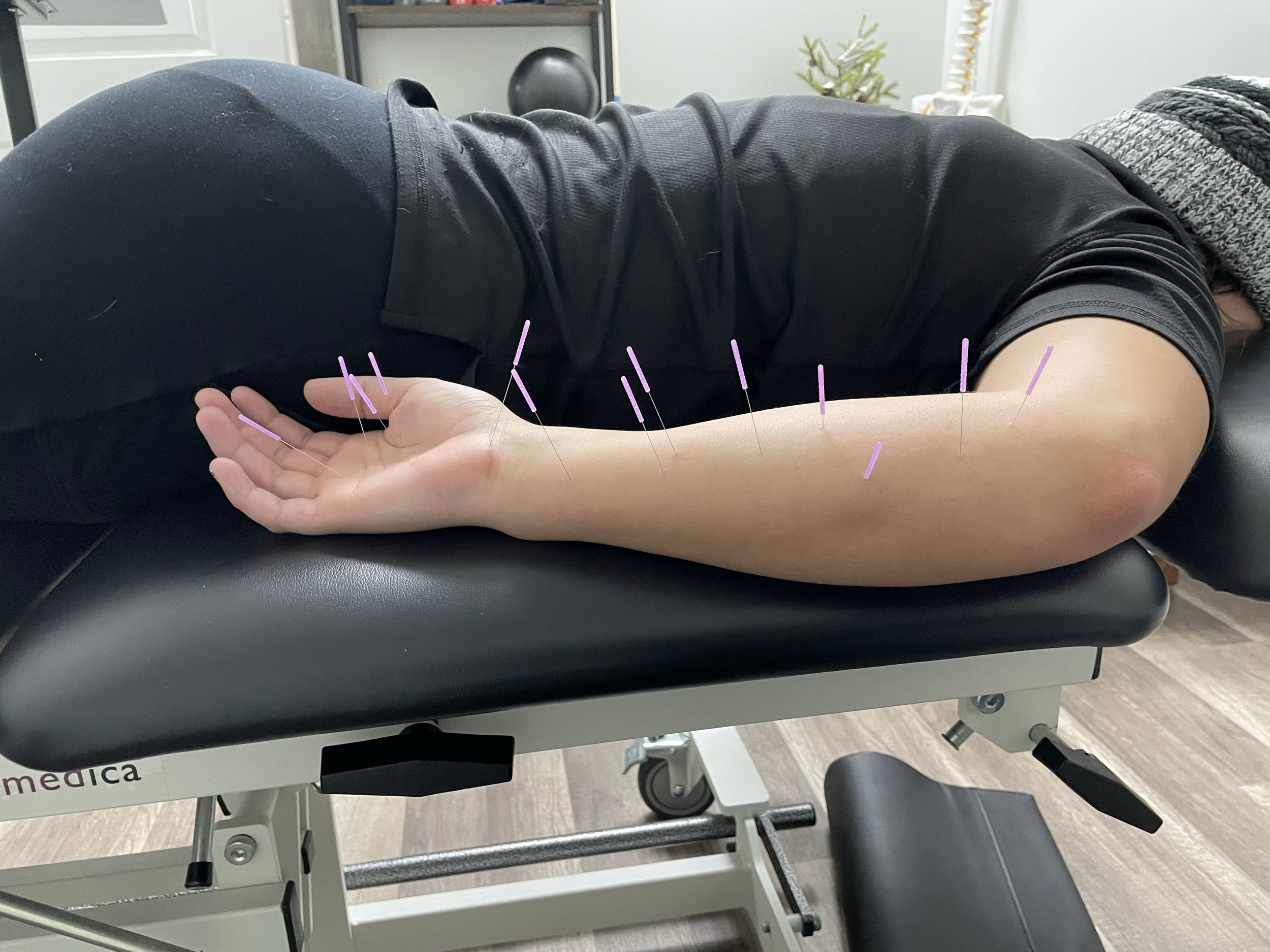
Dry needling is a skilled physical therapy technique used to treat muscular pain, movement restrictions, and neuromuscular dysfunction. It involves the insertion of a very thin, sterile needle into specific points within muscle tissue—commonly referred to as trigger points—to help restore normal muscle function.
When muscles become irritated, overworked, or injured, they can develop tight bands or trigger points that contribute to pain, stiffness, and reduced mobility. Dry needling works by internally stretching and stimulating these areas to encourage muscle relaxation, activation, improve local blood flow, and reset abnormal neuromuscular signaling.
The goal of dry needling is not simply pain relief but to improve movement quality and restore normal muscle function, enabling patients to return to activity, training, and daily tasks more efficiently.
Dry needling may help with:
Muscle tightness and trigger points
Pain (specific and generalized)
Tendon-related pain
Headaches related to muscle tension
Restricted mobility or joint stiffness
Sports-related muscle pain or overuse injuries
Congestion
General relaxation (via effect on the autonomic nervous system)
Dry needling is often used alongside other physical therapy treatments to address the underlying cause of symptoms and support long-term recovery.